
Learn five common signs of foundation settling, what may be causing them, and when Maine homeowners should schedule a professional inspection.
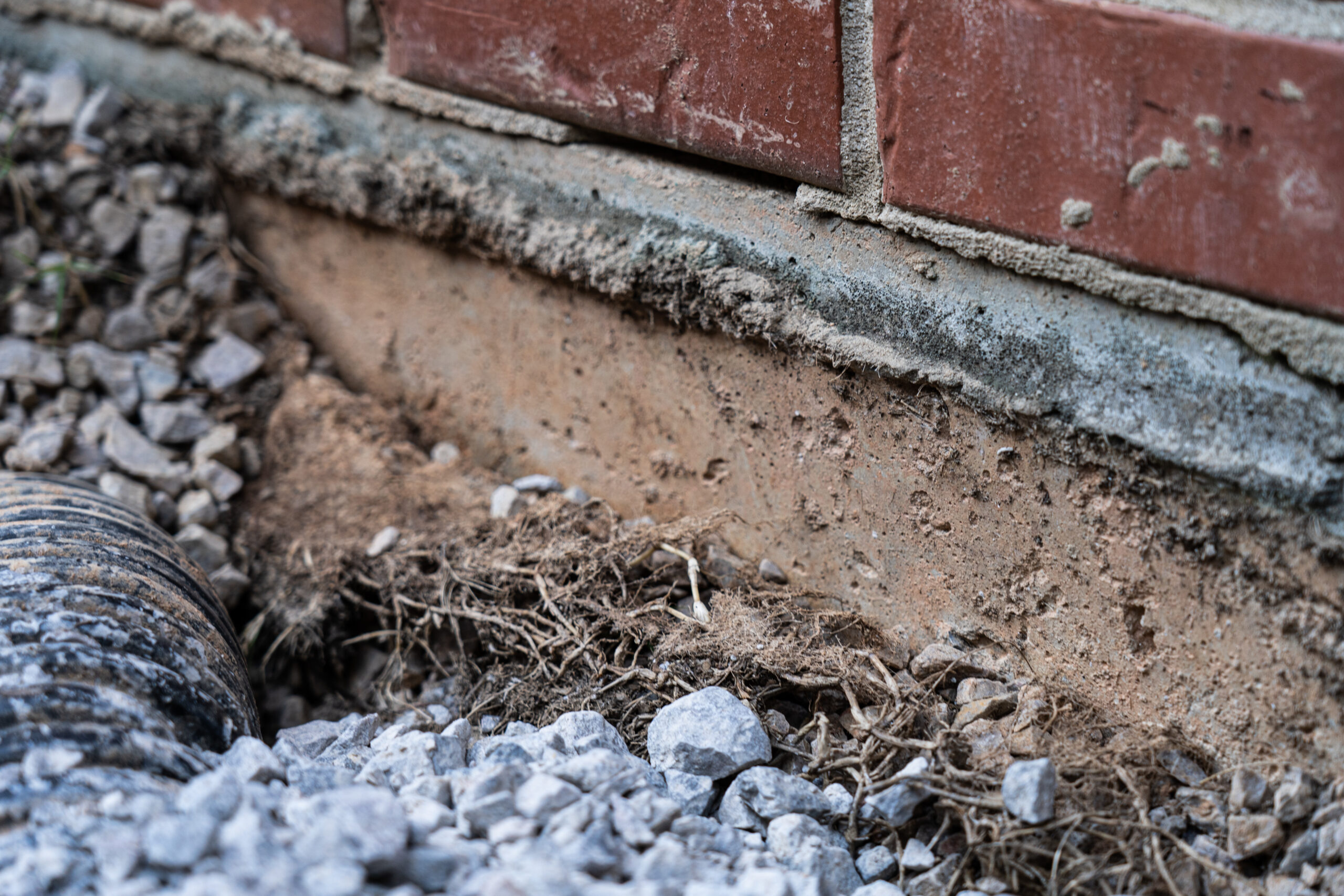
Some movement is normal as a home ages. Building materials expand and contract, concrete may develop small cracks, and older floors are not always perfectly level.
However, certain changes can indicate that part of the foundation is sinking, shifting, or no longer supporting the home evenly.
Foundation settlement can occur when the soil beneath a home compresses, erodes, or changes with moisture conditions. In Southern and Central Maine, heavy rain, snowmelt, drainage problems, and repeated freeze-thaw cycles can all affect the soil surrounding a foundation.
The challenge is knowing which changes can be monitored and which ones deserve a closer look.
Here are five common warning signs of foundation settlement and when you should consider calling a professional.
1. Cracks in Basement Walls, Floors, or Drywall
Cracks are often the first thing homeowners notice, but not every crack means there is a serious structural problem.
Small vertical cracks in concrete may form as the material cures or as the home experiences minor movement. Thin drywall cracks can also develop around seams or corners without indicating major foundation damage.
Cracks become more concerning when they:
- Grow wider or longer over time
- Reappear after being repaired
- Run diagonally from windows or doors
- Form a stair-step pattern through concrete blocks
- Appear alongside bowing or inward wall movement
- Allow water to enter the basement
Horizontal cracks in basement walls should receive particular attention. They can be a sign that pressure from the surrounding soil is pushing against the foundation.
When should you call a professional?
Schedule an inspection if a crack is widening, changing direction, leaking, or appearing alongside other signs of movement.
Taking dated photographs and measuring the crack periodically can help you determine whether it is stable or actively changing. A professional can then evaluate whether the crack is cosmetic, moisture-related, or connected to a larger structural issue.
2. Doors and Windows That Stick
One sticking door may simply need a hinge adjustment. Several doors or windows becoming difficult to open or close may indicate that the surrounding framing has shifted.
As one portion of the foundation settles, the structure above it can move slightly out of alignment. This may cause:
- Doors to swing open or closed on their own
- Door latches to stop lining up
- Windows to become difficult to raise
- Frames to appear uneven
- Gaps to form around doors or windows
- Doors to rub against the floor or frame
Seasonal humidity can also cause wooden doors to swell, so occasional sticking is not automatically a foundation problem.
When should you call a professional?
Pay closer attention when multiple doors or windows begin sticking at the same time, particularly if you also notice wall cracks, uneven floors, or gaps around trim.
Not sure whether the changes in your home are normal or structural? Basement Improvements provides practical foundation evaluations throughout Southern and Central Maine. We will help you understand what needs attention now, what can be monitored, and which solution makes sense for your home and budget.
Learn more about our foundation repair services.
3. Uneven, Sloping, or Sagging Floors
Floors that slope, dip, bounce, or feel soft can sometimes be connected to foundation settlement. They may also result from weakened floor joists, damaged support posts, crawl space moisture, or other problems beneath the living space.
Common warning signs include:
- Furniture leaning or rocking
- Round objects rolling across the floor
- Noticeable dips near walls or doorways
- Bouncy or soft areas
- Gaps beneath baseboards
- Floors that slope toward one side of the room
Many older Maine homes have some degree of unevenness. A floor that has remained unchanged for decades may be less concerning than one that has recently started dipping or sloping.
When should you call a professional?
An inspection is recommended when the unevenness appears to be getting worse, the floor feels unstable, or the problem is accompanied by cracks and sticking doors.
A thorough inspection should examine both the foundation and the floor-support system. The visible symptom may be upstairs, while the actual cause is located in the basement or crawl space.
4. Gaps Between Walls, Ceilings, or Floors
Foundation settlement can cause different portions of a home to move away from one another. This may create gaps where surfaces once met evenly.
You may notice:
- Separation between walls and ceilings
- Gaps between flooring and baseboards
- Cabinets pulling away from walls
- Trim separating around windows or doors
- Exterior siding or masonry beginning to separate
- A chimney pulling away from the house
Small gaps can appear as materials expand and contract throughout the year. The size, location, and progression of the gap are usually more important than its presence alone.
When should you call a professional?
Have the area inspected if a gap appears suddenly, continues to widen, or develops in several parts of the home.
Separation around a chimney, foundation corner, or exterior wall should also be evaluated. These parts of the structure may settle differently from the main portion of the house.
5. New Basement Water or Moisture Problems
Water in the basement does not always mean the foundation is settling. Clogged gutters, improper grading, sump pump problems, plumbing leaks, and existing foundation cracks can all contribute to moisture.
However, settlement can create new cracks or enlarge existing ones, providing another path for water to enter.
Watch for:
- Damp areas after heavy rain
- Water entering through a wall or floor crack
- Moisture along the wall-and-floor joint
- White mineral deposits on concrete
- New musty odors
- A sump pump running more often than usual
- Previously dry areas becoming wet
Poor drainage can also contribute to both moisture problems and soil movement. When runoff repeatedly collects near the foundation, it can affect the soil supporting the home.
When should you call a professional?
Schedule an inspection when water begins entering through a new crack, moisture problems become more frequent, or you notice signs of both water intrusion and structural movement.
Simply sealing the visible crack may not solve the problem if drainage, soil pressure, or foundation settlement is still affecting the home.
When Is It Time for a Foundation Inspection?
You do not need to assume the worst every time you find a small crack or uneven surface. Many homes have minor imperfections that remain stable and do not require major repairs.
A professional inspection becomes more important when:
- Several warning signs appear together
- Cracks continue to widen or spread
- Floors are becoming noticeably more uneven
- Multiple doors and windows stop closing properly
- Water enters through a structural crack
- A wall, chimney, or part of the home appears to be separating
- The changes are happening quickly
A foundation inspection should give you a clearer understanding of what is causing the problem, whether it requires immediate attention, and which repair options are appropriate.
Basement Improvements serves homeowners throughout Southern and Central Maine. We focus on identifying the actual problem, explaining what needs attention now and what can wait, and helping homeowners choose the right solution for their property and budget.
Explore our foundation repair services or contact Basement Improvements to schedule your free inspection.